

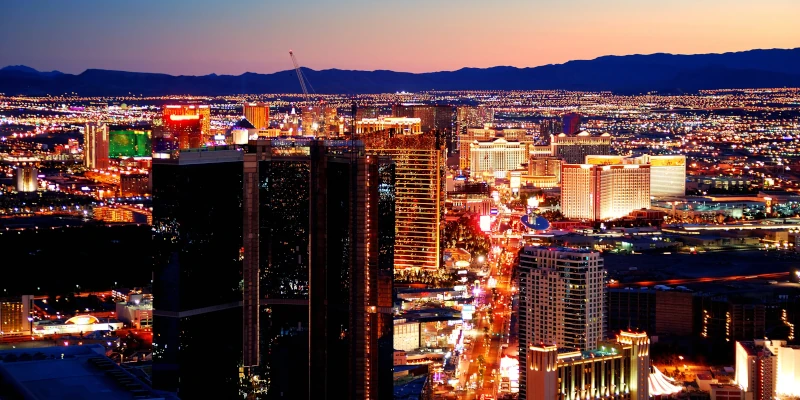
A primeira metade de 2026 coloca Las Vegas em um papel estratégico de feiras e convenções. Entre janeiro e junho, a cidade funciona como um verdadeiro tabuleiro: clima extremamente favorável em determinados meses, pressão intensa de tarifas em semanas específicas e excelentes oportunidades escondidas nos “vazios” entre grandes eventos. Para agências e empresas, entender essa combinação de sazonalidade, calendário e riscos práticos é o que separa um grupo apenas hospedado de um projeto realmente bem desenhado, eficiente e memorável.
Clima, sazonalidade e impacto direto nas decisões
Entre março e abril, Las Vegas vive um dos seus melhores momentos climáticos. As temperaturas máximas médias giram em torno de 21 °C a 26 °C durante o dia, com noites mais frescas, entre 7 °C e 11 °C. Esse equilíbrio cria um cenário ideal para grupos corporativos e de incentivo que precisam combinar programação intensa em centros de convenções com experiências externas pontuais: jantares em rooftops, caminhadas curtas na Strip ou ativações de team building ao ar livre.
Esse conforto térmico, no entanto, exige leitura técnica. As noites frias pedem atenção ao dress code, planejamento de transfers e escolha criteriosa de venues. Não é detalhe: ignorar esse ponto compromete a fluidez da experiência.
A partir de maio, o cenário muda. As temperaturas sobem rapidamente, aproximando-se dos patamares de verão. O calor intenso durante o dia passa a impactar deslocamentos a pé, tempo de exposição externa e ritmo da programação. Para viagens de incentivo com agenda outdoor, isso exige hidratação reforçada, pausas estratégicas, sombra e logística muito bem calculada.
No campo da demanda, um ponto importante: a pressão tarifária hoje está muito mais ligada ao calendário de feiras, shows e mega eventos do que às férias tradicionais. O primeiro trimestre, especialmente, segue historicamente pressionado, com ADR elevado e alta ocupação nos hotéis da Strip e do entorno do Las Vegas Convention Center (LVCC).
Q1 2026: grandes feiras e efeito dominó
O primeiro trimestre de 2026 concentra alguns dos maiores eventos do calendário global no LVCC — e isso impacta diretamente qualquer projeto MICE ou de incentivo, mesmo quando o grupo não tem relação com a feira.
Na primeira quinzena de janeiro, o CES (6 a 9/1), com estimativa de cerca de 140 mil participantes, praticamente cria um “lockout” da cidade. Hotéis, salas de reunião, transportes e até restaurantes operam no limite. Para grupos médios que não estejam conectados ao evento, a margem de negociação é mínima.
Ainda em janeiro, feiras como World of Concrete e International Roofing Expo mantêm a ocupação elevada, especialmente em hotéis com perfil B2B industrial. Em fevereiro, eventos como NADA e AHR Expo voltam a pressionar resorts com infraestrutura robusta de reuniões, reduzindo a flexibilidade para grupos que chegam “fora da bolha” dos eventos.
O ponto-chave aqui é entender que o impacto não se restringe às datas oficiais. As noites anteriores e posteriores permanecem pressionadas, com tarifas altas, políticas rígidas e menor abertura para upgrades ou concessões.
 Créditos da imagem: Convention Center
Março e abril: o efeito “onda” de demanda
De 3 a 7 de março, a CONEXPO-CON/AGG — com cerca de 139 mil participantes — figura entre as maiores feiras de toda a agenda de Las Vegas. O impacto vai além da hospedagem: transporte terrestre, shuttles, janelas de check-in e check-out e até disponibilidade de AV entram em disputa.
Na sequência, eventos como Total Products Expo, International Pizza Expo, Bar & Restaurant Expo e Coverings mantêm a cidade em ritmo acelerado até abril. Mesmo sem um único “mega evento” em todas as semanas, o encadeamento cria ondas sucessivas de alta ocupação.
Para a agência, ler apenas as datas oficiais é um erro clássico. A leitura estratégica do calendário completo — incluindo montagem, desmontagem e deslocamento de expositores — é essencial para evitar surpresas em cotações que, à primeira vista, parecem competitivas.
 Créditos da imagem: CONEXPO-CON/AGG
Outros centros de eventos e pressão fora do LVCC
O impacto não se limita ao LVCC. Mandalay Bay e outros centros no sul da Strip também puxam tarifas, especialmente em janeiro. A PPAI Expo, principal evento global do setor de brindes promocionais, embora menor que o CES, eleva significativamente a procura por hospedagem corporativa e espaços de reunião na região.
Ao longo do segundo trimestre, feiras de segmentos como snacks & candy, cosméticos e esportes prolongam corredores de ocupação alta. O resultado é um Q2 com menos picos extremos, mas com menos “janelas limpas” do que muitos imaginam.
 Créditos da imagem: Mandalay Bay
Janelas boas x janelas críticas para grupos
Para grupos que precisam estar dentro das grandes feiras, as semanas oficiais e as noites imediatamente anteriores são as mais críticas: tarifas premium, allotments rígidos e menor disponibilidade de venues para eventos privados.
Nesses casos, trabalhar com “shoulder nights” — duas ou três noites antes ou depois da feira — costuma ser a estratégia mais inteligente. Com apoio de uma DMC local, é possível suavizar custos, explorar experiências fora do eixo congestionado e aumentar a chance de upgrades e melhores condições operacionais.
Para grupos que não dependem de feiras específicas, surgem oportunidades reais: segunda quinzena de fevereiro, intervalos entre eventos em março e abril e início de junho. Nessas janelas, a cidade respira melhor, as tarifas se tornam mais equilibradas e a logística flui com menos atrito — cenário ideal para viagens de incentivo, convenções internas e projetos sob medida.

Logística e riscos em períodos de alta
Em semanas com mais de 100 mil participantes circulando, grupos a partir de 30 ou 40 pessoas competem diretamente por táxis, rideshare e shuttles. Bloqueios de rua, filas de check-in, credenciamento e saturação de pontos críticos da Strip tornam indispensável ampliar janelas de deslocamento e reduzir agendas excessivamente compactas.
Os riscos mais comuns incluem overbooking, mudanças de layout de feiras, expansão de áreas dentro dos hotéis e escassez de venues exclusivos. Para mitigar esses pontos, a recomendação é clara: em Q1, bloqueios de hotel e aéreo devem ser feitos com 9 a 12 meses de antecedência. Já em Q2 e semanas intermediárias, 6 a 9 meses ainda permitem boa margem de negociação.
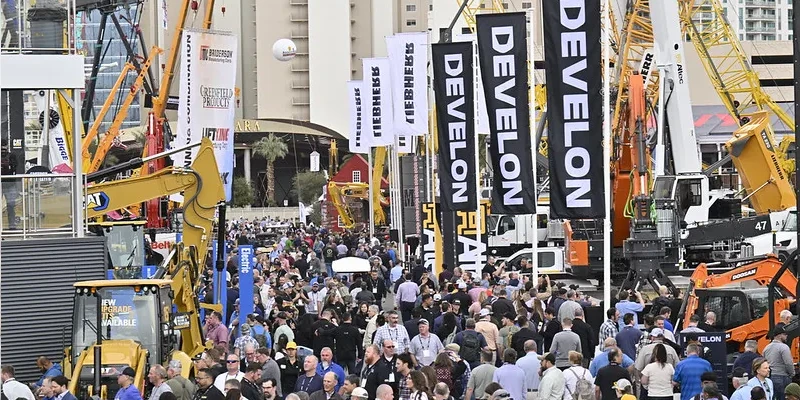 Créditos da imagem: CONEXPO-CON/AGG
Compliance, hospitalities e política de viagens
Setores regulados — como saúde, finanças e seguros — exigem atenção redobrada. Em semanas como CES e PPAI Expo, cresce a oferta de entretenimento, hospitalities e experiências exclusivas, o que pede alinhamento rigoroso com políticas internas de compliance.
Aqui, a DMC assume um papel estratégico: atuar como curadora local, ajustando formatos, roteiros e venues para equilibrar networking, engajamento e conformidade regulatória, reduzindo riscos reputacionais e facilitando aprovações internas.
 Créditos da imagem: CES.tech
Objetivo x janela: a decisão que define o sucesso
Quando cruzamos o objetivo do grupo com o tipo de janela, semana da feira, ombro de feira ou fora dos grandes eventos, fica claro o papel estratégico da DMC como tradutora do calendário de Las Vegas.
Para quem vai à feira, estar na semana oficial maximiza conteúdo e networking. Para viagens de incentivo, o ombro de feira costuma entregar o melhor equilíbrio entre energia da cidade e espaço para experiências exclusivas. Já para convenções internas e kick-offs, fugir das “red zones” de CES e CONEXPO garante previsibilidade de custos, controle logístico e foco total nos objetivos do projeto.
Em 2026, Las Vegas continua sendo um destino potente — mas não perdoa improviso. Planejamento, leitura fina do calendário e parceria local são o que transformam a cidade em aliada estratégica, e não em risco operacional.

Solicite uma avaliação do seu cronograma com nossa equipe e descubra quais janelas realmente fazem sentido para o seu projeto em Las Vegas.
Planejando um grupo para Las Vegas? Vamos conversar.