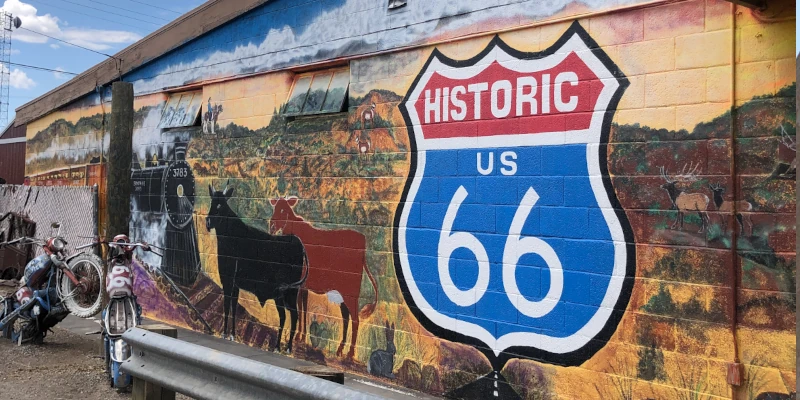
O turismo internacional vive um momento curioso no Brasil. Nunca houve tanta oferta, tantos pacotes prontos e tanta facilidade de acesso à informação. Ainda assim, cresce entre agências e viajantes a sensação de que algo se perdeu no caminho. Quando o destino são os Estados Unidos — e, em especial, um ícone como a Rota 66 — a diferença entre vender uma viagem e construir uma jornada nunca foi tão evidente.
Em 2026, a Rota 66 completa 100 anos. Um marco histórico que vai muito além de uma estrada: trata-se da narrativa da transição americana, do espírito de liberdade, das pequenas cidades que moldaram o imaginário do Ocidente. A pergunta que fica para as agências brasileiras é direta: como transformar esse centenário em uma experiência relevante, memorável e comercialmente sólida para grupos de passageiros?
O fim das viagens “copia e cola”
Grande parte do que chega hoje ao mercado brasileiro ainda segue a lógica do atacado: roteiros engessados, hotéis genéricos, paradas apressadas e experiências desconectadas entre si. Funciona logisticamente, mas falha conceitualmente.
O problema não está na operação em larga escala, mas na ausência de narrativa. Viagens assim não contam histórias — apenas deslocam pessoas.
A curadoria, por outro lado, parte de uma premissa diferente: o que incluir é tão importante quanto o que deixar de fora. Grupos menores, ritmo mais inteligente, escolhas intencionais e experiências que dialogam entre si. É nesse ponto que o conceito de “viagem de alto padrão” deixa de ser associado a excesso e passa a ser definido por critério, profundidade e propósito.
 Crédito da Imagem: Choose Chicago
Curadoria como estratégia (e não como discurso)
Curadoria não é um adjetivo bonito para materiais de marketing. É um método de trabalho. Envolve conhecimento de território, testes prévios, leitura de perfil de grupo e, principalmente, domínio operacional para executar com precisão.
Quando falamos da Rota 66, isso se torna ainda mais crítico. Não se trata de “passar pela estrada”, mas de entender o que cada trecho representa. Há estados que pedem pressa. Outros exigem pausa. Alguns revelam sua força cultural em um café de beira de estrada; outros, em encontros com comunidades locais ou paisagens naturais que não aparecem nos roteiros convencionais.
É exatamente aqui que muitas experiências fracassam: tentam mostrar tudo e acabam não aprofundando nada.
A Viagem do Centenário: dois formatos, uma mesma essência
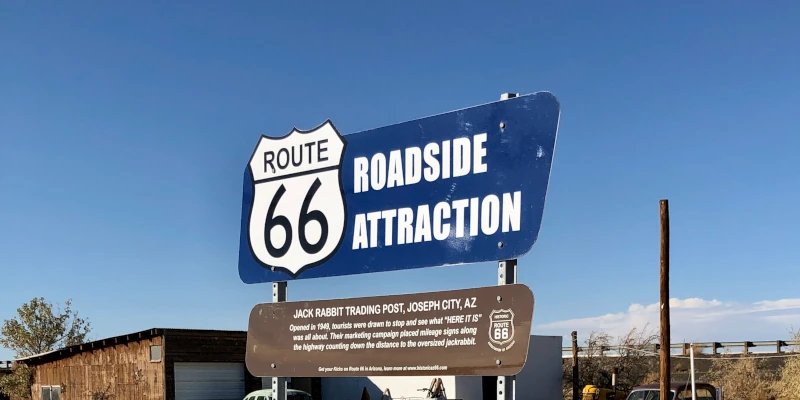
Pensando nesse cenário — e nas diferentes realidades das agências brasileiras — a American Journeys irá fazer a operação da Viagem do Centenário da Rota 66, ou “Life is a Highway” para os mais próximos, em dois formatos complementares, ambos guiados por curadoria estratégica e execução local especializada.
Imersão no Arizona | Curto prazo
Com 5 dias e 4 noites, este formato foi desenhado para grupos com agendas mais restritas, mas que não abrem mão de profundidade. A saída acontece a partir de Las Vegas, explorando o trecho mais icônico e preservado da Rota 66.
Aqui, o foco não é a quantidade de paradas, mas a leitura correta do território. Cidades históricas, paisagens emblemáticas e experiências pensadas para ir além das tradicionais day trips superficiais. É uma imersão real, com ritmo bem definido e narrativa clara.
Travessia Chicago–Los Angeles | Longo prazo
Prevista para o final do ano, esta versão percorre a Rota 66 em sua totalidade, conectando o nascimento industrial do Meio-Oeste à costa do Pacífico.
Mais do que um deslocamento geográfico, trata-se de uma jornada cultural completa: mudanças de paisagem, sotaques, hábitos e estilos de vida. Um projeto pensado para grupos que buscam exclusividade, conteúdo e a experiência integral do centenário.
Informação clara em um mercado barulhento
Existe público. Existe demanda. O que falta, muitas vezes, é informação objetiva e confiável.
O mercado se acostumou a discursos genéricos sobre “experiências únicas”, mas entrega pouco detalhamento real. Roteiros sem assinatura, sem critério claro e sem diferenciação prática acabam competindo apenas por preço — e isso fragiliza tanto a agência quanto a percepção do cliente final.
A proposta da Life is a Highway é justamente romper com esse padrão: apresentar formatos claros, escopo bem definido, lógica operacional transparente e uma curadoria que possa ser comunicada com segurança pela agência parceira.
O próximo passo: parcerias que fazem sentido
A Rota 66 é apenas o começo. Ainda em 2026, novos projetos temáticos — incluindo experiências ligadas ao universo do rodeio e da cultura americana profunda — já estão em desenvolvimento.
Acreditamos que o viajante brasileiro mudou. E que as agências que desejam se destacar também precisam mudar: sair do genérico, abandonar o “pacote replicável” e apostar em produtos com identidade, assinatura e entrega consistente.
Se a sua agência deseja conhecer os detalhes completos da Life is a Highway — trechos, logística, formatos de grupo e precificação exclusiva para parceiros — nos chama no WhatsApp, em breve realizaremos uma reunião online privada para apresentação do projeto.
Mais do que vender um roteiro, este é um convite para construir jornadas que realmente façam história.